Seed Bank and Kitchen Garden Initiative
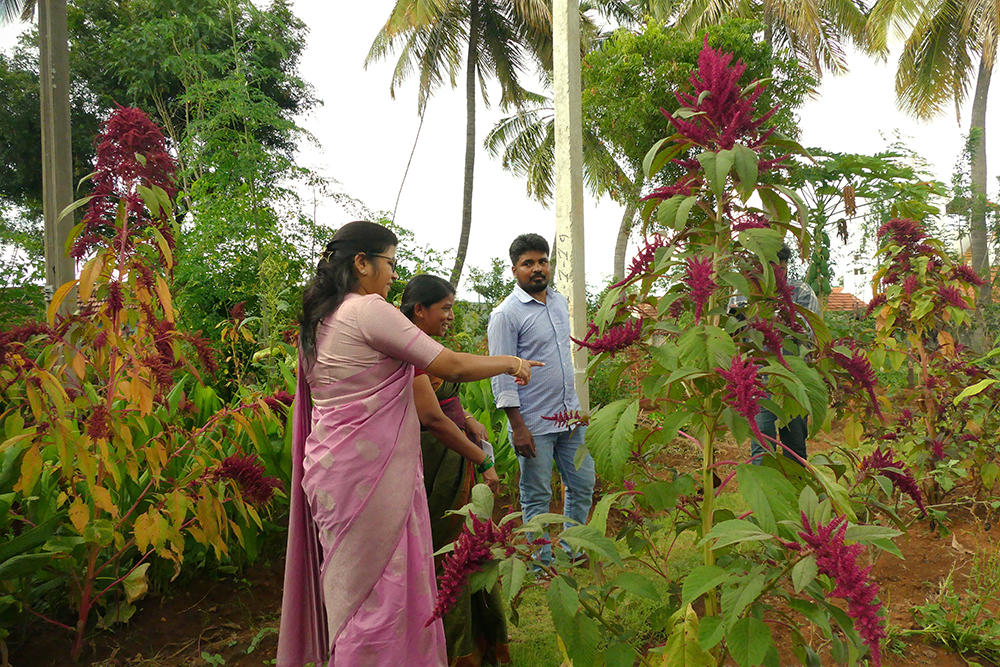
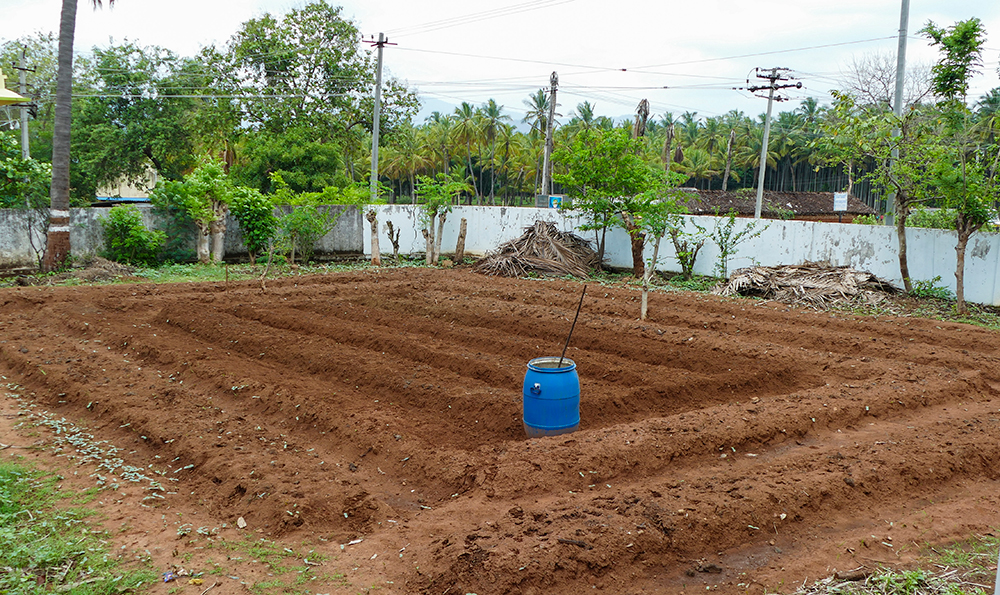
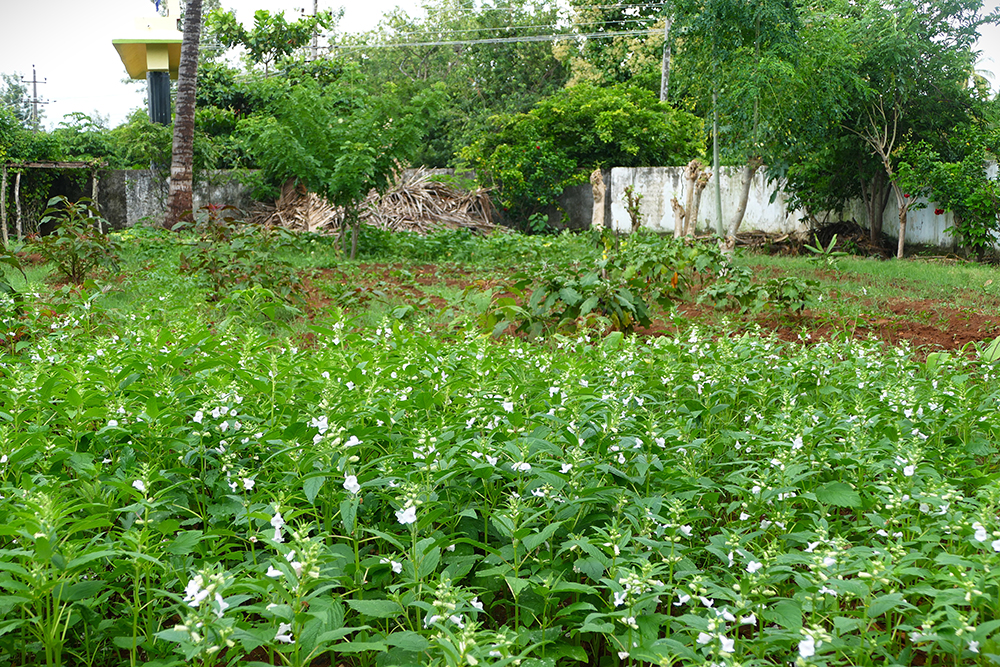
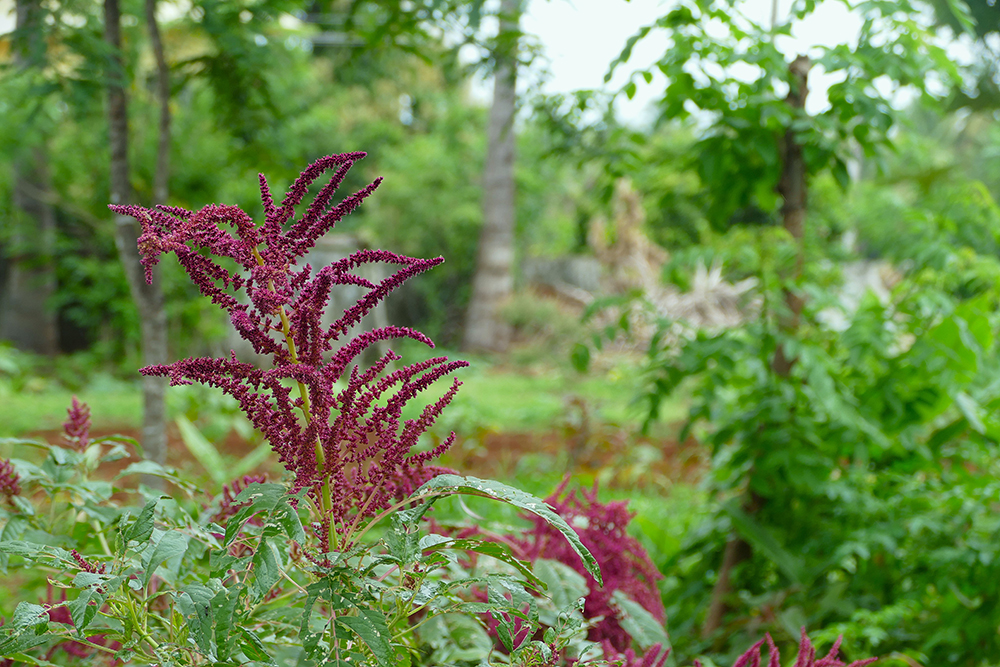
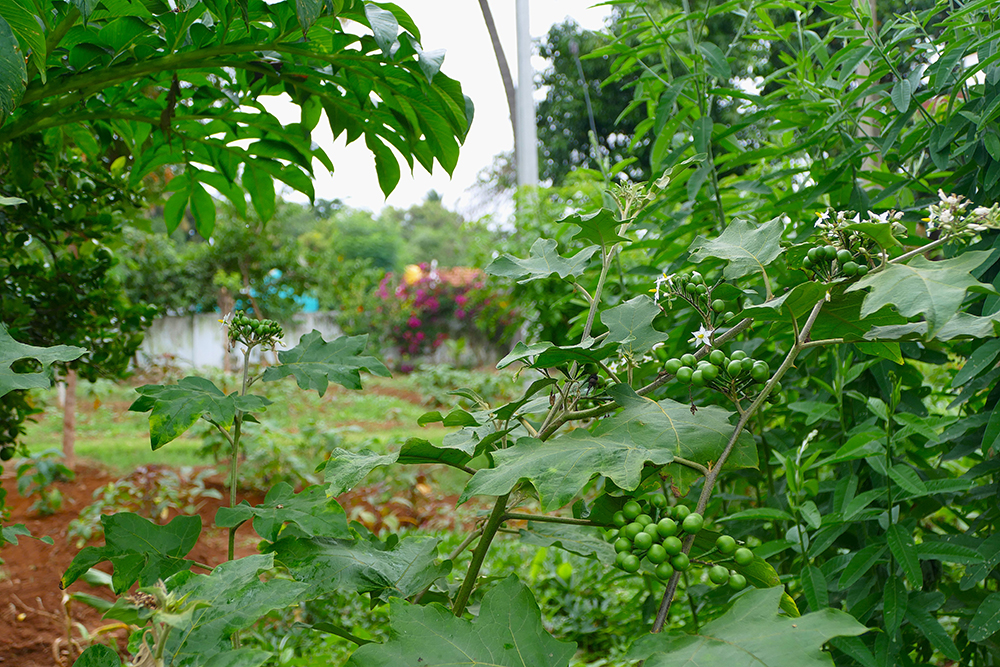
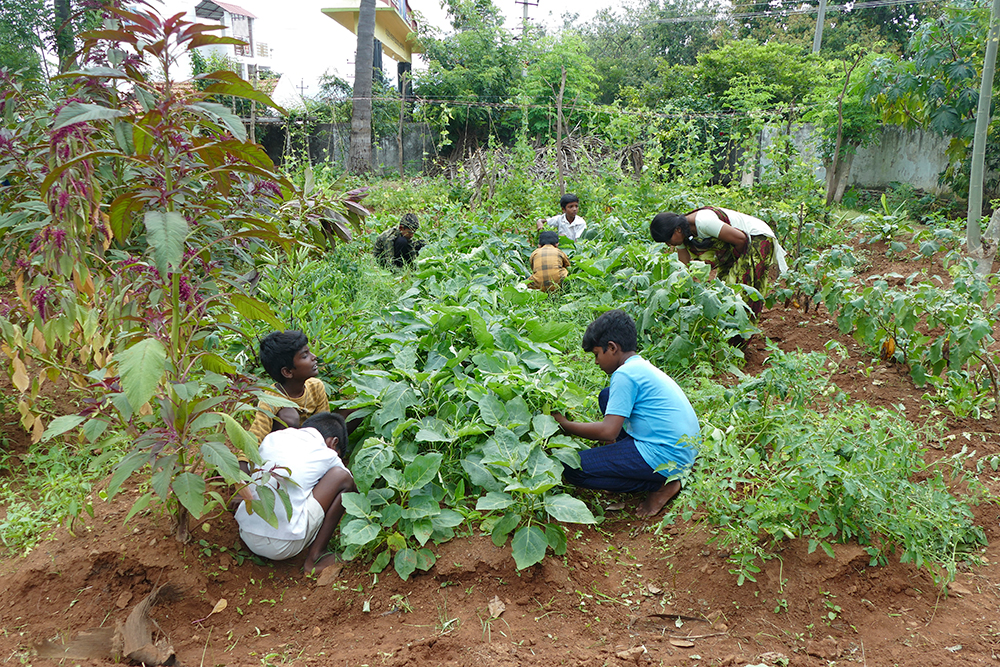
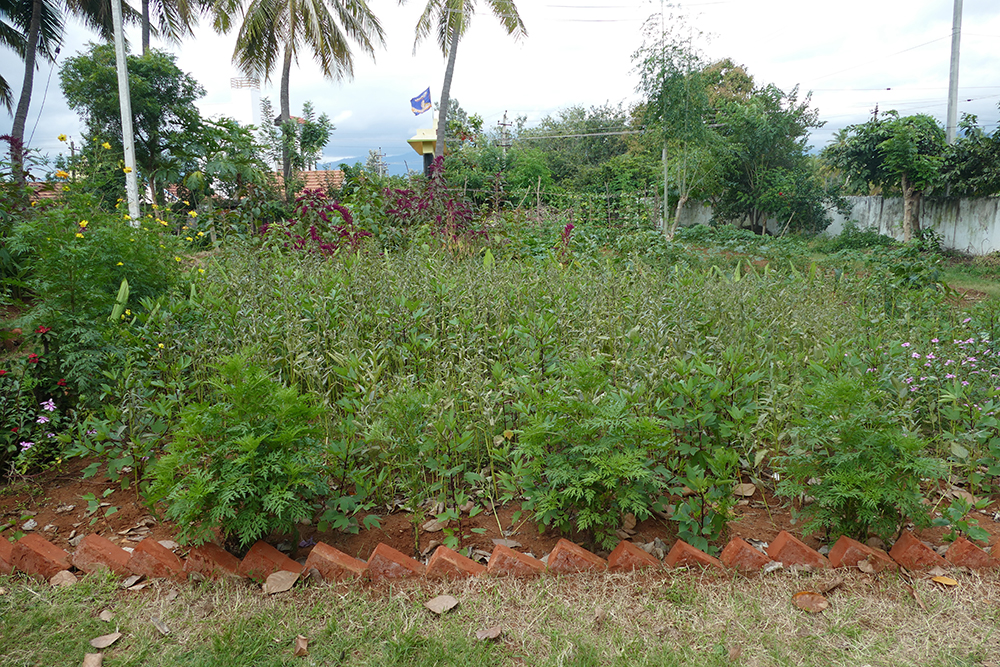
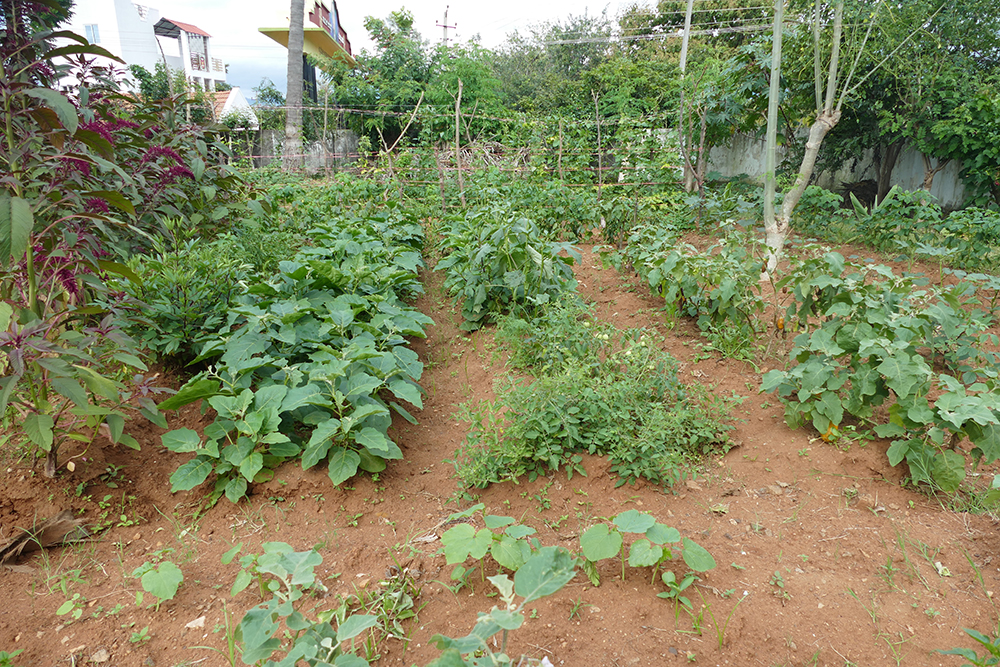
Recognizing the importance of seeds in ensuring resilient agriculture and food security, we have cultivated, gathered and conserved several varieties of vegetable, pulses, and oil seeds, especially local, landrace seeds, over the years. We have also cultivated a model kitchen garden at the Punarchith office in Nagavalli where we grow vegetables and some fruits. The kitchen garden serves as an example of a community owned garden and as a teaching/learning resource with children, women and small farmers participating in the cultivation. In (year?), 27 varieties of vegetables were grown, with brinjal and tomato seeds contributed by Nagavalli women and other seeds being brought from the Kisan Swaraj Sammelan and other melas. Other egetables grown in the kitchen garden include fenugreek, amaranthus, spinach, coriander, okra, cluster beans, radish, chili, cucumber, ridge gourd, field beans, snake gourd, and yam. Additionally, kidney beans, hyacinth beans, field beans, horse gram, pigeon pea, and sesame were cultivated. Special crops like wild turmeric and mango ginger were also grown, with their seeds collected and distributed to those starting kitchen gardens. Fruit trees such as chikoo, lemon, mango, and papaya have also been planted, and we enjoy their yield each year.
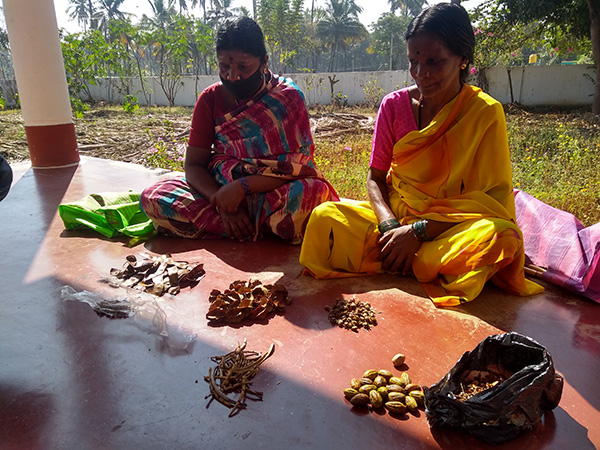
Solega Women share their forest seeds
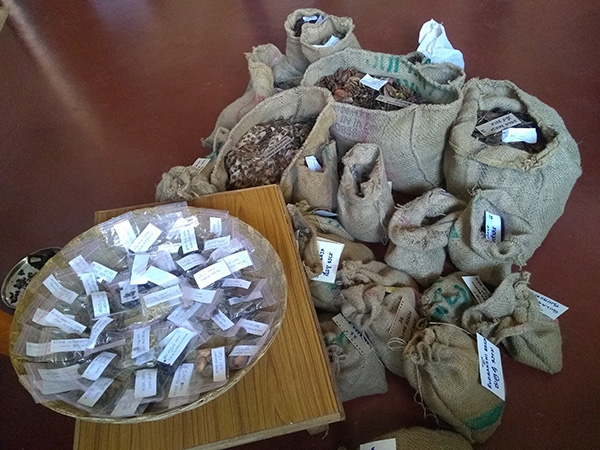
Sorted and Labelled Forest Tree seeds
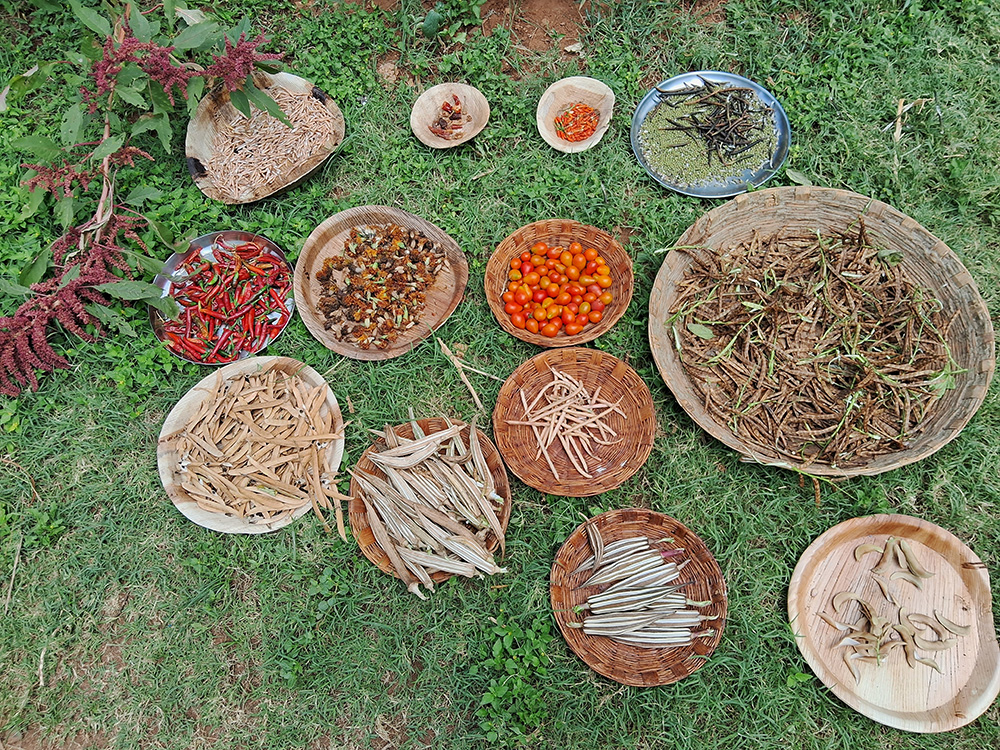
A basic seed bank was set up in 2014 with the help of our former Trustee, Sunita Rao from Vanastree, the seed savers’ network, and resource persons such as Antonis Breskas, a volunteer from Greece, who have documented and helped process the seeds for better conservation. With a holding of about 70+ varieties of seeds, which have been grown, harvested, and conserved on our land, Punarchith conducts regular out-reach programs such as Beeja Baluvali (Seed sharing), and Beeja Mela (Seed fair) at our Nagavalli resource centre. In addition to these activities, in an attempt to promote community home gardens and seed conservation, we have supported several home/kitchen gardens. Over 2023, Sunita Rao and Santhosh Naik also developed a detailed catalog and seed manual which forms our base document for the cultivation and conservation of vegetable seeds. In 2024, an additional seed bank was set up at Angarike Maala that stocks both grain and vegetable seeds.
Through sessions on ‘home/kitchen gardens’, ‘local food’, ‘wealth of seeds’ etc, we are attempting to highlight the importance of local seed and food diversity and security to people. We also follow and teach natural pest prevention strategies (using neem powder, camphor, hing, and the White Aak plant/Ekkada gida) and proper care for saved seeds (having less air in the bottle or pot in which they are kept, ensuring they are kept warm in cold weather through smoking the room etc).
Over the years, the collection, conservation, and cultivation of local and organic seeds has been sustained at both our own home garden at Nagavalli and with a number of women who cultivate small patches of their own. Periodic sharp fluctuations in the climate (either droughts as in 2016-17, and 2023-24 or heavy rains as in 2021 and 2022) and lack of seasonal rainfall has meant that production of vegetable seeds has fluctuated significantly. Now, with help from small farmers and other partners, we collect and conserve local dry grains, like ragi and other millets, oil seeds (esp niger and sesame), and pulses that are grown in the region. Overall, the kitchen garden and seed bank are contributing to local food security, biodiversity conservation, and the promotion of natural farming. It supports small farmers as well as children’s education, and helps address malnutrition.